项目演出4
Perform Content概述:
Program Introduction
Part Two: Relay Performance:The main performance will take place on a central stage, featuring a relay format across different time zones. Artists and participating audience members will perform based on the script created in the pre-workshop. Transitions during the performance will incorporate visual art presentations derived from big data results on feminist issues.
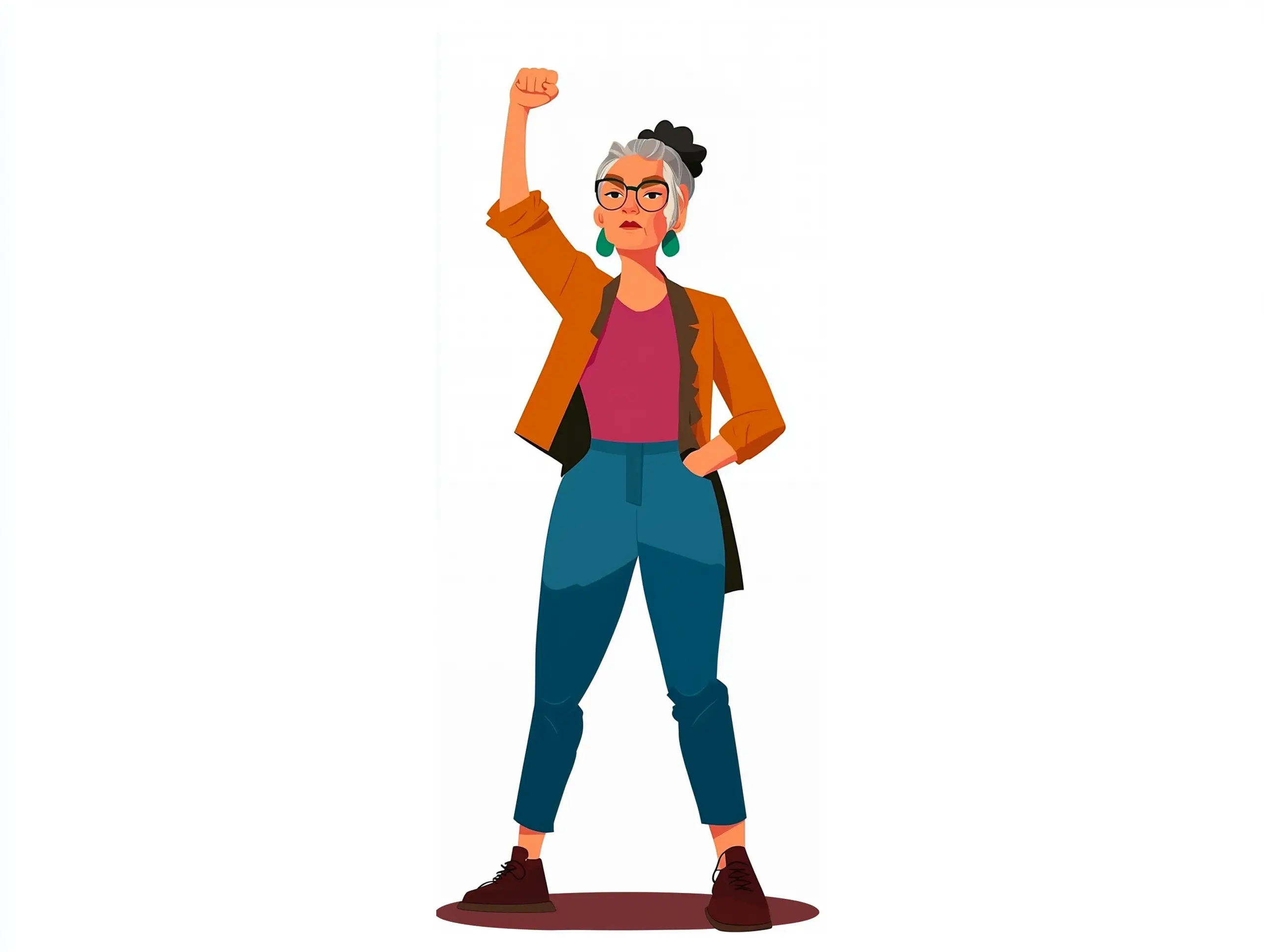
Performance Content Overview:Actors and audience members will discuss personal and societal experiences to co-create the script, focusing on macro and micro topics related to women and marginalized groups within the patriarchal social structure. The script aims to reveal social inequalities and highlight the lack of rights for marginalized groups, particularly women. By centering women in the performance, the project seeks to rewrite female social roles and experiences, empowering women and marginalized groups with the confidence and strength for self-reconstruction.
Part Three: Post-Performance Electronic Archive:After the performance, a complete version will be edited and organized by year into an electronic archive. Visitors will be able to access project information and videos on a dedicated website, where they can also provide feedback and suggestions.

Educational Drama (Narrative) • The approach of educational drama component helps audience who do not have theoretical or practical experience in drama to quickly understand communication and collaboration in drama before the performance. In the early underwater stages, two major outlines of plan for the stage setting are prepared along with the determination of the drama script's background and theme. Improvisation (unscripted performance at the beginning): Specially invited audience members are encouraged to freely express their imagination and creativity based on their personal experiences and the themes and backgrounds provided by the invited artists. Role-play: The invited artists communicate with the audience about the behaviors they present, modifying the (modifiable) plot scenarios and character settings for the script. They collaboratively create props and refine lighting design ideas. Theater: This requires the invited audience and the invited artists to co-write and refine the script, rehearse, and perform together, training the audience in collaboration and creative skills. Drama Education Techniques: ·Mantle of the Expert: Students take on the role of experts to solve problems posed by “clients,” helping them build their own knowledge systems and improve their problem-solving abilities. ·Hot Seating: Students portray a character while others can ask that character questions, helping them gain deeper insights into the character's thoughts, feelings, and motivations. ·Forum Theatre: Through role-play and audience join to engaging and exploring social issues, helping the invited audience understand different perspectives and establish critical thinking. ·Freeze Frames: Under the guidance of artists, the audience acts out a scene and then ‘freezes’ in a specific pose for discussion. This aids in better understanding the relationship between scenes and characters, as well as recognizing their own actions and motivations. (Observing one's behavior through continuous action is better if slow-motion recordings are made and played back for analysis)
Basic EFT Therapeutic Techniques: Redefinition: This technique helps performers and audience members redefine experiences of injustice as a normal response to long-term gender discrimination. It aims to provide a platform for finding constructive ways to address the social issues related to gender discrimination. Reading Therapy: Audience members and actors review materials related to feminist perspectives on patriarchal society, understanding how discrimination and stereotypical gender roles limit individual choices and the traps created by societal representations of women. This helps to refine self-definitions and provides language and frameworks for responding to discriminatory remarks. Confidence Training: Participants learn how to express their thoughts and advocate for their interests in a way that is neither passive nor aggressive. Awareness Raising: This encourages marginalized individuals to share their experiences of inequality and the pressures from socialization. It approves the narrators' experiences and avoids suppressing these voices, helping marginalized groups learn to express and manage their emotions and thoughts. Power Analysis: Performers collectively analyze the unequal distribution of social power, the privileges different groups have or lack, and the various impacts on those groups. This includes studying how social power maintains order and the interaction patterns with privileged or authoritative figures.
OUR TEAM NUMBER
项目组成人员介绍